.png?width=290&height=50&name=image_1%20(1).png "image_1 (1)")

In recent decades, human exposure to aluminium (Al) has increased significantly due to its widespread use in food processing, consumer products, pharmaceuticals, and industrial applications. Although aluminium is one of the most abundant elements in the Earth’s crust, its bioavailability in daily life has risen due to modern environmental and technological factors.
This growing exposure has raised scientific interest in understanding how the body interacts with aluminium, and how certain nutrients (such as silicon), may influence its metabolism and elimination.
Aluminium Exposure in Modern Life
Aluminium is present in a wide range of everyday sources, including:
- Processed foods and food additives
- Cookware and packaging materials
- Personal care products (e.g., antiperspirants, cosmetics)
- Pharmaceutical products (e.g., antacids, vaccine adjuvants)
- Environmental exposure (airborne particles, industrial emissions, smoke, pollution)
While intake varies depending on geography and lifestyle, studies suggest that chronic low-level exposure is common in modern populations.
FACT: Currently, our intake is approximately 30 mg per day, and by 2050, it's expected to skyrocket to 100 mg. Remarkably, back in 1950, we consumed just 1 mg daily.
Absorption and Distribution in the Body
Aluminum is not recognized as having any essential biological function in humans. Upon exposure:
- A small fraction is absorbed through the gastrointestinal tract
- It can bind to proteins and circulate in the bloodstream
- It may be distributed to tissues such as bone, liver, and brain
Furthermore, trace amounts of aluminium have been detected in:
- Hair, skin, and nails
- Bodily fluids: Saliva, tears, mucus, and sweat
- Vital systems: respiratory, digestive, reproductive
- Blood, lymph, connective tissues, and organs
- And most alarmingly, the accumulation of aluminum in the brain.
Most absorbed aluminium is excreted via the kidneys; however, retention may occur depending on exposure levels and individual physiological factors.
Because aluminium accumulation can be difficult to assess directly, urinary excretion is commonly used as an indirect biomarker of exposure.
Scientific Interest in Aluminium and Health
Research has explored potential associations between aluminium exposure and various neurological and systemic health outcomes. Notable studies, including those conducted by Professor Christopher Exley (2006; 2013; 2017) and others, have reported:
- Elevated aluminium levels in the brains and in certain human tissues of adolescents with autism, exceeding those observed in patients with Alzheimer’s disease.
- Evidence suggesting that aluminium may be transported within the body by immune-related mechanisms
While these findings contribute to ongoing scientific discussion and despite decades of evidence regarding the neurotoxic effects of aluminium, it is important to emphasize that:
-
The relationship between aluminium exposure and specific diseases remains under active investigation
-
Current evidence does not establish definitive causality between aluminium and these health outcomes.
-
Regulatory authorities are actively assessing safe exposure levels
Moreover, industrial stakeholders have characterized aluminium as “safe,” notwithstanding the existing scientific evidence. It is imperative to urgently reframe the perception of aluminium as a persistent environmental toxin.
The Role of Silicon in Aluminium Metabolism
Silicon has attracted attention due to its potential interaction with aluminium in biological systems.
Scientific evidence suggests that bioavailable forms of silicon, such as orthosilicic acid (OSA) and monomethylsilanetriol (MMST), may:
- Interact with aluminium to form hydroxyaluminosilicate complexes
- Reduce aluminium bioavailability under certain conditions
- Support its elimination via urinary excretion
This interaction represents a physiological and non-invasive mechanism, distinct from pharmaceutical chelation approaches.
Evidence Supporting Silicon–Aluminium Interaction
Several studies have investigated this relationship:
- Research by Jugdaohsingh et al. (1999), Rondeau et al. (2009), demonstrated that silicon-rich mineral waters increased urinary aluminium excretion.
- González-Muñoz et al. (2008) explored that moderate beer consumption increased urinary aluminum excretion, and Al has lately been implicated as one of the possible causal factors contributing to Alzheimer's disease.
- Oliveira et al., 2018 reported increased urinary aluminium excretion, following supplementation with bioavailable silicon forms, including MMST and stabilized OSA
These findings support the hypothesis that silicon may contribute to maintaining aluminium balance in the body, although further research is required to fully elucidate its long-term implications.
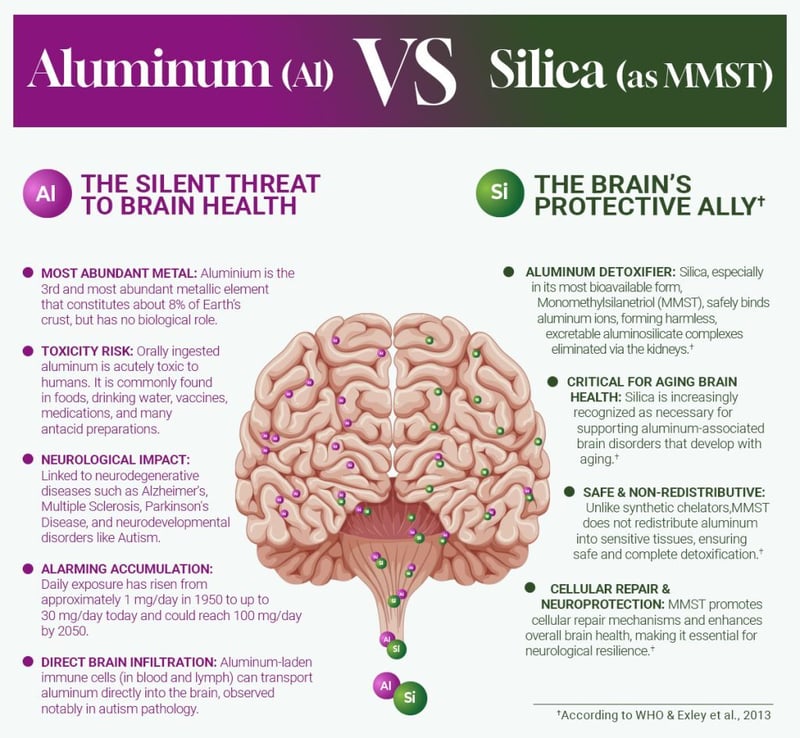 Figure 1. Potential Benefits of Silicon Supplementation for Aluminum Detoxification.
A Complementary Approach to Modern Exposure
Given the widespread presence of aluminium in the environment, nutritional strategies may play a role in supporting the body’s natural processes.
Silicon-based supplementation can be considered as part of a broader approach that includes:
- A balanced diet
- Adequate hydration
- Awareness of environmental exposure sources
Importantly, food supplements are intended to complement (not replace) healthy lifestyle practices.
Conclusion
The increasing presence of aluminium in modern life has led to growing scientific interest in how the body manages exposure to this element. While research continues to evolve, current evidence suggests that bioavailable silicon may play a supportive role in aluminium metabolism and excretion.
Innovative silicon forms such as MMST represent a science-driven approach to delivering silicon in a stable and bioavailable format, aligned with modern nutraceutical standards.
Want to know more? Contact our team of experts to learn more about our Silicon-based ingredients at:
- +1 (305) 779-0171 | (877) 454 2486
- lab@orgonolivingsilica.com
Or fill out our contact form to connect with our team:
get more information
about our ingredients
LEARN MORE ABOUT
SILICA